
Literature from the overlap.
ABOUT
Free Indirect Press is an independent literary press devoted to work made through sustained interaction between writers and generative models.
This mode of composition is opening literary possibilities that are only beginning to be explored.
WHY FREE INDIRECT?
Consider:
Daniel had spent all morning on the first paragraph. By noon it had acquired weather, a dead father, and a dog he did not remember inventing. Fine. Let the dog stay. The father could die again later. He put his hands back on the keys.
The story is being told in the third person, but somewhere inside the passage Daniel’s voice enters the narration. Fine. Let the dog stay. There are no quotation marks, no he thought, no announced change of speaker.
That is free indirect discourse: narrator and character occupying the same language, with no clean line where one voice ends and the other begins.
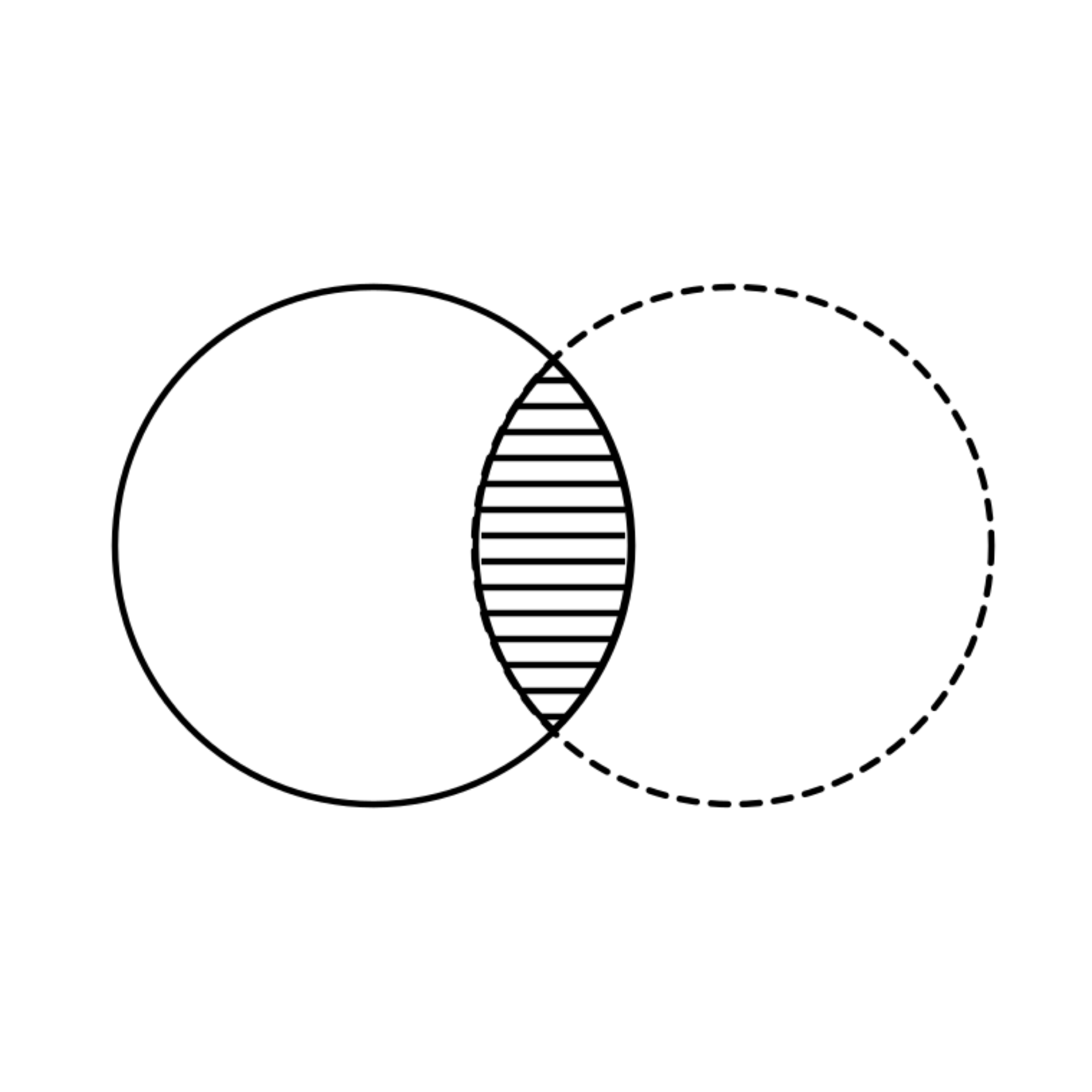
We borrow the name for another kind of overlap.
In writing made with generative models, language can pass repeatedly between writer and model: generated, judged, rejected, redirected, rewritten, combined, and returned. What comes back changes what the writer sees. The writer’s next decision changes what the model produces.
By the time the work is finished, a sentence may carry the history of both agencies.
The overlap is our territory.
WHAT WE PUBLISH
Fictional scholarship. Articles from journals that do not exist. Fiction. Criticism. Essays. Papers. Books.
And forms still being invented.
Generative models may participate in the language, structure, argument, criticism, research, invention, or development of a work. Their participation should materially affect what the work becomes.
Sometimes that means a sentence. Sometimes an objection changes the argument. Sometimes an invented source reorganizes the book. Sometimes the dog stays.
TEXTUAL HISTORIES
Every Free Indirect publication includes a Textual History describing how the work came into being.
Its form depends on the work. It may record drafting, model generation, research, selection, rejection, revision, listening, reconstruction, or other parts of the production history that materially shaped the result.
SUBMISSIONS
We welcome books and shorter works made through substantial engagement with generative models.
We are especially interested in work that discovers new forms, voices, arguments, structures, and uses for the medium.
Submissions should include the work or an excerpt, a brief description, and a Textual History describing how it was made. We consider that history alongside the work itself.